


A kitchen brings comfort, routine, and creativity into daily life, but it also introduces fire hazards. Homes benefit when residents understand how to apply kitchen fire safety essentials in simple, consistent ways. A safer kitchen always starts with awareness and continues through habits that reduce risk. Preparation protects your family and keeps damage under control if an emergency occurs.
Improving Fire Safety Awareness at Home
Many homeowners overlook basic tools that prevent disaster. Products and habits matter, but the way you think about daily cooking matters more. You build safety by staying alert, planning escape routes, and storing helpful equipment. These steps support protecting your home from fire without stress or panic. Over time, small improvements create a kitchen that feels safe and calm for everyone.
Managing Clutter to Reduce Fire Risk
Long-term prevention begins with consistent attention to your cooking area. Over time, items accumulate, cabinets overflow, and storage habits change as daily routines shift. Keeping counters clear and regularly cleaning surfaces helps stop flames from spreading if a fire starts. When it comes to maintaining safety, decluttering the right way plays a major role—it involves choosing the best way to get rid of junk, whether through junk removal services, dumpster rental to facilitate large-scale cleanups, or responsible disposal through donations. You can even turn unwanted items into valuable assets by recycling or reselling them. These steps reduce fuel sources, free up space, and keep your kitchen safer and easier to navigate.
Understanding Common Kitchen Risks
Fires start fast when the heat rises beyond control. Hot oil, splashing grease, and forgotten pans expose your home to serious damage. You reduce these risks by supervising the stove and cleaning the oven regularly. Prevention depends on careful timing and quick attention. As routines settle, these habits become automatic.
Handling Flammable Materials
Your cabinets contain oils, sprays, and packaging that ignite easily. Oils catch fire faster than most people expect, so keep bottles sealed and away from heat. Towels and paper rolls must stay clear of burners. A safe kitchen reduces fuel sources and supports cleaner cooking.
The Importance of Fire Extinguishers
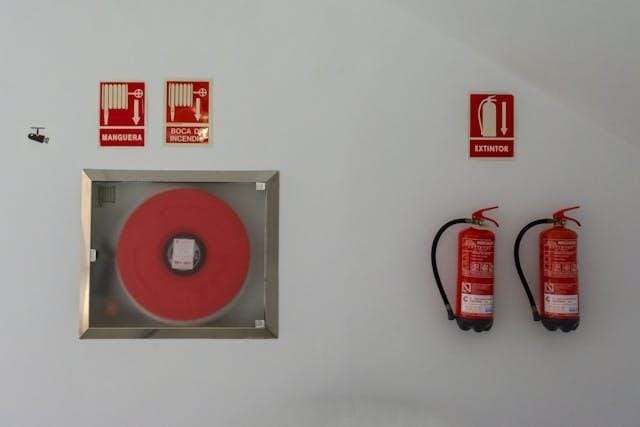
A fire extinguisher near your cooking area saves precious seconds. You want it visible, reachable, and fully charged. Residents should learn how to pull the pin and aim the nozzle at the base of flames. These basics increase confidence during stressful moments. One extinguisher in the kitchen and one near the entrance is often ideal.
Safety Tips for Grease Accidents
Grease fires spread faster than other flames because oil heats quickly. Pan lids stop oxygen from feeding the flames, while baking soda helps smother small outbreaks. Never use water because it sends burning oil outward. These fire safety tips shape quick decisions that limit damage. Practice builds instinct, especially for new cooks and growing families.
How Smoke Detectors Support Safer Kitchens
Smoke detectors warn you before the heat becomes severe. Batteries should be tested during every season change. Some alarms include heat sensors that ignore minor cooking smoke, making them smarter for busy kitchens. The sound of an alarm gives your family time to exit the home.
Creating Clear Escape Paths
Hallways and exits must stay open so you can move out quickly—furniture, shoes, and boxes slow movement when every second matters. Families should know which direction to run, where to meet, and how to stay low during smoke. Written plans help children memorize safe routes.
Kitchen Fire Safety Essentials for Daily Cooking Habits
Daily routines affect risk more than equipment does. Turn the pan handles inward so curious hands cannot grab them. Set timers for everything that goes into the oven. Wipe splatters before they harden and burn. These steps support kitchen fire safety essentials through thoughtful behavior and consistent awareness.
Tools That Prevent Spread and Smoke
Heat-resistant mats protect counters from hot cookware. Splash guards reduce oil spray and lower the chance of flare-ups. Quality ventilation moves smoke away, keeping air cleaner and slowing damage. You want ducts free of residue so flames cannot travel through the buildup.
Why Smoke Damage Spreads Quickly Indoors
Smoke destroys surfaces even when flames stay small. Burnt food leaves black stains on ceilings, and soot embeds into fabric. Poor ventilation encourages smoke to gather and settle. Learning about common causes of smoke damage helps families update filters, clean hoods, and replace old fans before fires start.
Safe Storage for Appliances
Appliances need breathing space and distance from walls. Toasters, air fryers, and grills heat rapidly, and trapped heat becomes dangerous. Let them cool on open counters and unplug them after use. Small changes protect cabinets and stop smoldering cords from igniting.
Preparing Children for Kitchen Safety
Children watch adults and mimic actions. Teach them early to respect heat, flames, and sharp objects. Involving them safely builds good habits that follow them into adulthood. Remember to assign age-appropriate tasks and keep hazardous tools out of reach.
Cleaning Habits That Reduce Risk
The more you cook, the more residue develops. Grease settles inside vents, oven walls, and drip trays. You slow fires by scrubbing regularly and using dishwasher-safe trays when possible. Fresh surfaces resist ignition better and help you maintain steady cooking temperatures.
How Guests Affect Kitchen Safety
Crowded kitchens increase mistakes. Guests move unpredictably and leave items near burners. Host meals by encouraging guests to gather in other rooms. Reduce distractions by staying present at the stove until you finish each step.
Choosing Safer Cookware
Sturdy cookware heats evenly and reduces spills. Cheap pans warp and release oil onto flames. Glass lids trap steam better than metal ones, improving safety. Invest in heat-resistant utensils to keep plastic from melting near burners.
Seasonal Risks
Winter meals often simmer for long periods. Slow cooking produces steam that clings to ceiling paint, which becomes fuel for future ignition. Summer grills create hot plates that can ignite tablecloths. Adjust your routines to match seasonal cooking habits and reduce risk.
Maintaining Calm During Emergencies
Panic slows thought. Knowing how to move, grab tools, and alert others reduces confusion. Calm reactions start with practice during quiet moments. Rehearsal builds familiarity and prepares everyone to respond smoothly.
Smoke Control Strategies
Open windows away from flames so smoke flows outward instead of drawing oxygen across burners. Use fans to guide smoke outside. Turn off the heat once you detect a burning odor. These actions preserve indoor air quality and limit long-term repair costs.
Safer Family Cooking Future
Fire prevention grows stronger through habit, training, and thoughtful equipment choices. Combining tools with preparation supports long-term safety and peace of mind. Families can review these steps during quiet evenings and refresh their plans twice a year—serious damage declines when residents stay aware and respond quickly. Protect your home with the power of kitchen fire safety essentials and enjoy a safer cooking experience every day.
When Disaster Strikes, Look to the North. NorthStar Restoration Services, helping you find your way back home.