

As the leaves turn and the temperatures drop, many households turn to heating systems to keep their homes cozy and warm. While fall brings comfort and beauty, it also ushers in an increased risk of home fires due to the frequent use of heating equipment. According to fire safety experts, heating is a leading cause of home fires during the colder months. The good news is that with a few proactive steps and safe practices, you can enjoy the warmth of the season without putting your family or property at risk. This guide will walk you through practical and effective fall fire safety tips for home heating.
Understanding Why Fire Risks Increase in Fall
When the fall season begins, heating systems that have been dormant for months suddenly come back into use. Dust accumulation, lack of maintenance, and outdated components can all lead to fire hazards. Additionally, homeowners often use space heaters, fireplaces, and candles more frequently during this time of year. Each of these elements introduces potential dangers if not handled correctly. Knowing why risks rise in the fall helps you prepare and stay ahead of possible problems.
Fire Safety Tips: Schedule a Professional Heating System Inspection
One of the most important steps to ensure fire safety is to have your heating system inspected by a professional before the cold weather sets in. Over time, components wear out, dust builds up, and vents may become blocked. A certified technician can identify issues such as cracks in heat exchangers, faulty wiring, or gas leaks—all of which could result in fires if left unchecked. A yearly inspection not only safeguards your home but also improves energy efficiency and prolongs the life of your system.
Keep Space Heaters at a Safe Distance
Space heaters are convenient for warming up chilly rooms, but they can be dangerous if misused. Always place space heaters on a flat, stable surface away from flammable materials such as curtains, rugs, or furniture. Avoid using extension cords with these devices, as they can overheat and spark a fire. Most importantly, never leave a space heater running when you’re not in the room or while sleeping. Taking these precautions significantly reduces the risk of accidents.
Establish Safe Habits After Moving Into a New Home
Settling into a new home brings excitement, but it also calls for setting safe routines right from the start. Most importantly, after a move, don’t assume heating systems are in perfect condition. Take time to inspect your furnace, chimney, and vents for blockages, leaks, or worn parts that could become hazardous once temperatures drop.
Beyond equipment checks, it’s equally important to establish safe habits in your daily routine. Store flammable items away from heat sources, avoid overloading electrical outlets, and test smoke and carbon monoxide detectors regularly. These small, consistent actions build a safer environment for your household.
Also, to keep everything organized, you can create a maintenance schedule that includes seasonal inspections, reminders for filter changes, and annual professional servicing. This structured approach reduces fire risks, prevents overlooked issues, and gives you peace of mind as you adjust to your new surroundings.
Maintain a Clean and Safe Fireplace
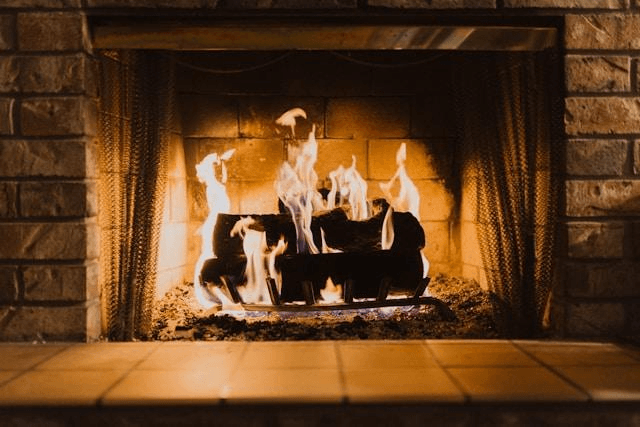
If you enjoy the crackling warmth of a fireplace in the fall, make sure it’s in top condition. Creosote buildup inside chimneys is a common cause of chimney fires. Scheduling a chimney sweep before the heating season begins removes this flammable substance and ensures proper airflow. Always use a fireplace screen to keep sparks from escaping, and never burn trash, cardboard, or treated wood, as these can emit dangerous fumes and increase fire risk.
Test and Replace Smoke Alarms
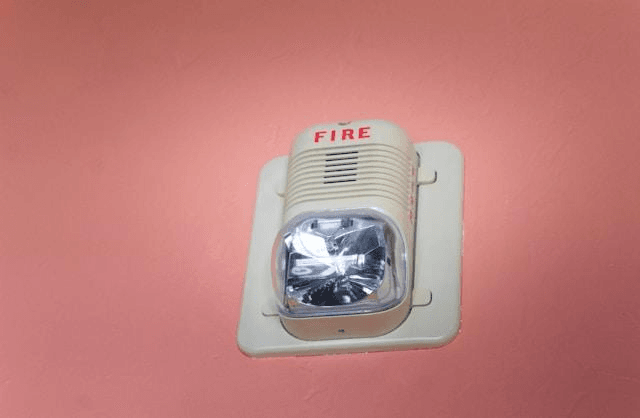
Your smoke alarms are your first line of defense against a fire. Test them monthly to ensure they are functioning properly and replace batteries at least once a year. If your smoke alarms are over ten years old, it’s time to replace them entirely. Installing alarms in every bedroom, outside sleeping areas, and on each level of your home maximizes safety and provides early warning in case of danger.
Be Cautious with Candles and Seasonal Decorations
Autumn often brings a love for warm candlelight and festive decorations, but these can be major fire hazards. Keep candles at least a foot away from anything that can burn and never leave them unattended. Consider using flameless LED candles as a safer alternative. If you decorate with string lights, inspect them for frayed cords and broken bulbs before plugging them in. These small steps can prevent a seasonal celebration from turning into a tragedy.
Practice Proper Storage for Flammable Items
Flammable liquids such as gasoline, paint thinners, or cleaning products should never be stored near heating appliances. Even minor exposure to heat can cause fumes to ignite, leading to a dangerous fire. Keep these items in a cool, well-ventilated area, preferably in a locked cabinet. Being mindful of where you store these products goes a long way in reducing risk.
Monitor Carbon Monoxide Levels
Along with fire risks, heating systems can produce carbon monoxide, a colorless, odorless gas that is deadly in high concentrations. Research shows that more than 400 Americans die each year from unintentional, non-fire-related carbon monoxide poisoning, often linked to heating equipment and fuel-burning appliances, as per the Consumer Product Safety Commission. Installing carbon monoxide detectors on every level of your home ensures you’re alerted if dangerous levels arise. Despite their life-saving potential, many households remain unprotected.
In truth, over one-third of U.S. adults—representing about 86,2 million people—lack any means of detecting CO leaks according to UL Standards & Engagement. Just like smoke alarms, carbon monoxide detectors should be tested regularly and replaced according to manufacturer guidelines. Safe heating practices include protecting your household from both fire and harmful gases.
Don’t Overload Electrical Circuits
As the weather cools, the use of electrical devices tends to increase, from space heaters to electric blankets. Plugging too many high-wattage appliances into a single outlet or power strip can overload circuits and lead to electrical fires. Always follow manufacturer recommendations for each device, and if your home’s electrical system struggles to keep up with demand, consult an electrician for upgrades.
Reducing the Risk of Fire
Staying warm during the fall months shouldn’t come at the expense of safety. By taking proactive steps like inspecting your heating systems, practicing caution with space heaters and fireplaces, and establishing safe habits in your home, you can greatly reduce the risk of fire. Fall is also an ideal time to reassess your household safety plan, ensuring that smoke alarms, carbon monoxide detectors, and maintenance routines are all up to date. With these fall fire safety tips for home heating in mind, you’ll enjoy a season of comfort, knowing your home is both warm and secure.
When Disaster Strikes, Look to the North. NorthStar Restoration Services, helping you find your way back home.