

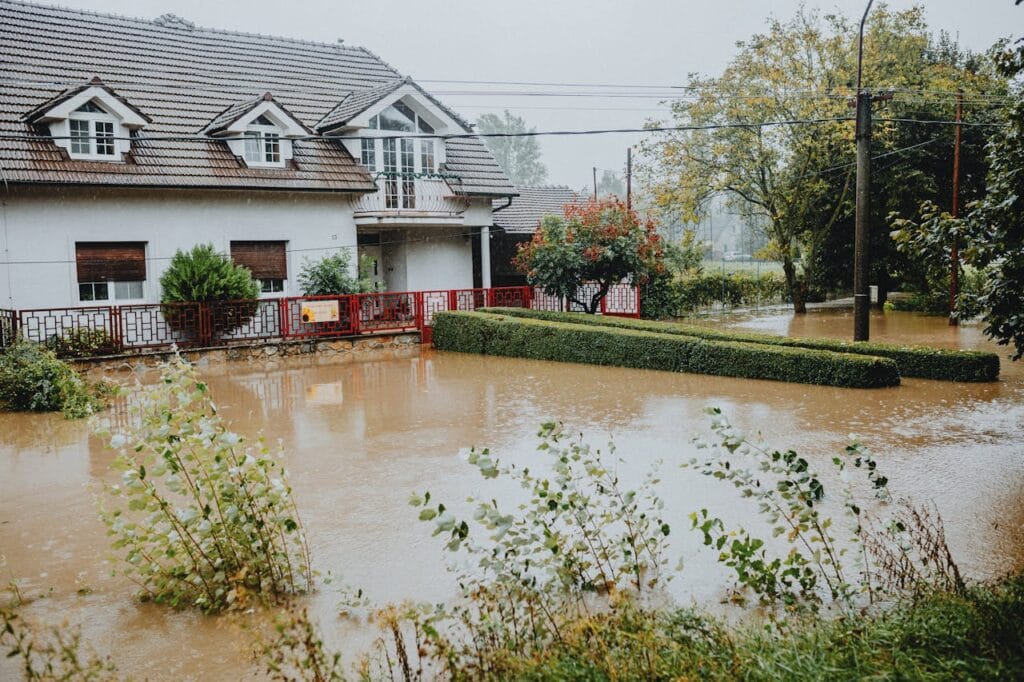
Property damage has a way of disrupting life without warning. A sudden storm, a burst pipe, or an unexpected fire can instantly turn a familiar space into a source of stress and uncertainty. In those early moments, it is normal to feel overwhelmed and unsure of what to do next. The 24 hours after property damage are especially critical, not because everything must be solved immediately, but because the choices made during this short window can greatly influence safety, recovery time, and long-term outcomes. With calm guidance and clear priorities, these first hours can become a steady starting point toward restoring both your property and your sense of control.
Understanding the Importance of the First 24 Hours After Property Damage
The 24 Hours after property damage are less about permanent repairs and more about protection, documentation, and thoughtful decision-making. This period sets the foundation for everything that follows, from insurance claims to restoration work. Actions taken early can help prevent secondary issues like mold growth, structural deterioration, or avoidable financial loss. Approaching this phase with patience and purpose allows you to stabilize the situation while creating a clear path forward, even when circumstances feel uncertain.
Prioritizing Personal Safety Above All Else
Before thinking about belongings or repairs, personal safety must come first. Damaged properties can hide unseen dangers such as compromised electrical systems, gas leaks, weakened floors, or falling debris. Take a moment to assess whether the space is safe to occupy. If there is any doubt, leaving the property temporarily is a responsible and often necessary decision. Protecting lives is always more important than protecting possessions.
Securing the Property to Prevent Further Damage
Once safety is addressed, the next priority is securing the property from additional harm. Broken windows, damaged doors, or roof openings leave a home vulnerable to weather, animals, and unauthorized entry. Temporary measures such as boarding openings or covering exposed areas can make a significant difference. Even small protective actions can prevent minor damage from turning into a much larger problem.
Documenting the Damage Clearly and Thoroughly
Clear documentation is one of the most powerful tools you have after property damage. Taking time to record what you see ensures that nothing is forgotten later. Photographs and videos captured early provide an honest snapshot of the situation before cleanup or temporary repairs begin. This record supports insurance claims and helps professionals understand the scope of damage when they assess the property.
Contacting Your Insurance Provider Early
Reaching out to your insurance provider as soon as possible sets the recovery process in motion. Early communication allows you to understand what is covered, what steps they recommend, and what documentation they will require. It also helps establish timelines and expectations. Keeping notes of conversations and instructions received can reduce confusion later and ensure that everyone involved stays aligned.

Preventing Secondary Damage Through Immediate Actions
Secondary damage often causes more long-term problems than the initial event itself. Water left standing can lead to mold, lingering smoke odors can seep deeper into materials, and unchecked exposure to the elements can weaken structural components. Simple actions such as removing excess moisture, increasing ventilation when safe, or isolating damaged areas can help protect what remains intact and reduce restoration complexity.
Deciding What to Remove and What to Leave
Not everything needs to be handled immediately, and knowing what to move and what to leave in place can be challenging. Items that are soaked, contaminated, or blocking safe access may need to be removed quickly. Others may be better left until professionals assess the situation. Careful judgment during this stage avoids unnecessary loss while keeping the environment manageable and safe.
Choosing Temporary Storage With Care
For new homeowners facing repairs or transition periods, moving belongings off-site often becomes a practical step rather than a convenience. In these moments, understanding how to choose the right storage means looking beyond availability and price. Start by matching the unit size to your inventory so furniture and boxes fit without crowding or wasted space. Next, consider whether the need is short-term during renovations or long-term while plans evolve, as this affects cost and access. Climate-controlled storage also matters for sensitive items such as electronics, documents, artwork, or wood furniture. When these factors align, the decision supports both protection and flexibility, and picking the right unit reduces the risk of damage while giving homeowners peace of mind as their property work moves forward.
Maintaining Clear Communication With Family or Occupants
Property damage affects everyone who lives or works in the space. Clear communication during the first 24 hours helps reduce stress and confusion. Sharing information about safety concerns, next steps, and temporary arrangements allows everyone to feel informed and supported. Even brief check-ins can go a long way toward maintaining a sense of stability during uncertainty.
Knowing When to Avoid DIY Repairs
The urge to fix things immediately is natural, especially when damage feels disruptive or uncomfortable. However, not all repairs should be handled right away or without professional guidance. Some actions can unintentionally worsen the damage or complicate insurance claims. Knowing when to pause and wait for expert input protects both the property and your long-term interests.
Organizing Important Documents and Essentials
During the first day after property damage, having access to essential documents and personal items is crucial. Identifying and gathering items such as identification, financial records, medications, and communication devices can make temporary relocation or ongoing coordination much easier. Keeping these essentials together provides a sense of control during an otherwise chaotic time.
Preparing Mentally for the Restoration Journey
While the first 24 hours focus on immediate needs, they also mark the beginning of a longer recovery process. Acknowledging that restoration takes time helps set realistic expectations. Emotional resilience is just as important as practical action. Allowing yourself to feel unsettled, while also trusting that progress will come, creates a healthier mindset for the weeks ahead.
Building a Foundation for Long-Term Recovery
Every small step taken on the first day contributes to the bigger picture of recovery. Securing the property, documenting damage, making informed decisions, and protecting belongings all help create a smoother path forward. These actions reduce setbacks and allow restoration efforts to move more efficiently once professionals step in.
Laying the Groundwork for Effective Restoration
The first 24 hours after property damage are filled with uncertainty, but they are also filled with opportunity. By focusing on safety, clear documentation, thoughtful decision-making, and careful protection of what remains, you lay the groundwork for effective restoration. Even in moments that feel overwhelming, steady and informed actions make a meaningful difference. As you move from immediate response into recovery, remember that help, guidance, and solutions are available. When disaster strikes, look to the north. NorthStar Restoration Services, helping you find your way back home.