

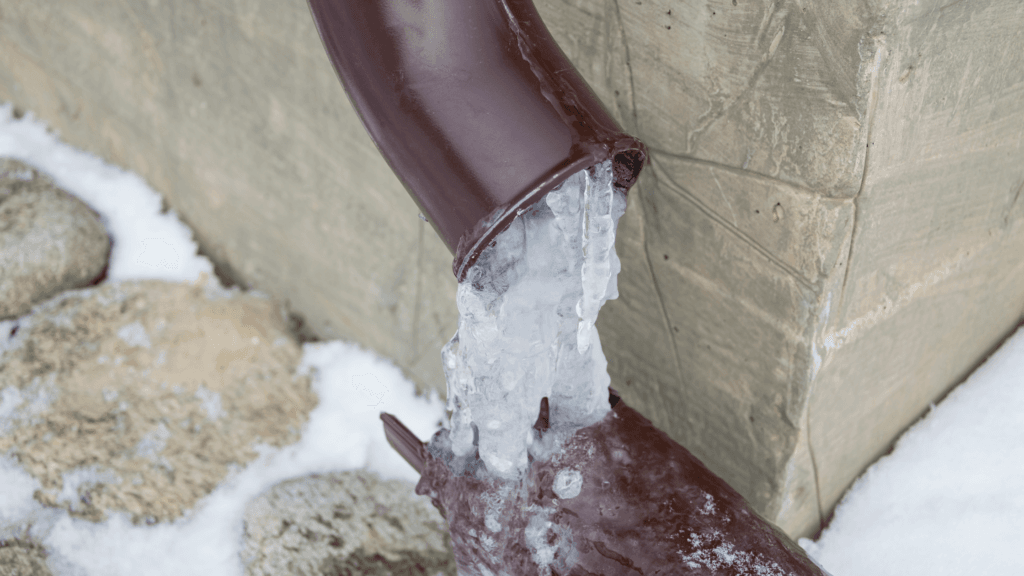
Why Frozen Pipe Bursts Cause More Damage Than Homeowners Realize
Frozen pipe burst cleanup is far more complex than most homeowners realize, and attempting DIY cleanup can lead to hidden moisture, mold growth, and serious structural risks that continue long after the visible water is gone. As ice expands inside the pipe, it creates pressure that eventually leads to a rupture. When that ice begins to thaw, water suddenly escapes with tremendous force. Even a small crack in the pipe can release gallons of water per minute, flooding floors, walls, and lower levels of the home. While the surface-level water is easy to notice, the most destructive damage occurs deeper within the structure. Water from a burst pipe quickly finds pathways behind walls, under flooring, and into insulation, where it remains hidden. The longer the moisture sits, the more it compromises the building materials. This is why emergency water mitigation within the first few hours is critical: frozen pipe damage continues to worsen long after the visible water is wiped away.
Key risks include:
- Water migrating through porous surfaces and into hidden gaps
- Moisture spreading downward into lower levels or crawl spaces
- Surfaces appearing dry while sublayers remain saturated
- Weakening of materials like drywall, wood, and insulation
A frozen pipe burst is not a simple cleanup; it is a structural emergency that demands a professional response.
Hidden Moisture After a Pipe Burst: The Damage You Can’t See
One of the biggest misconceptions about frozen pipe damage is believing that drying the surface is enough. Unfortunately, water doesn’t stay where you see it. It moves through materials such as wood, carpet padding, and drywall, settling deep in areas that DIY tools cannot reach. Even when floors feel dry to the touch, the layers underneath may still be heavily saturated. This trapped moisture creates ideal conditions for mold, bacteria, and structural decay. Without moisture meters or infrared cameras—tools used by professional mitigation teams—homeowners often have no way of knowing where moisture remains. As a result, weeks may pass before hidden damage becomes visible, and by then, repairs are far more extensive.
Hidden moisture commonly affects:
- Wall cavities that trap damp insulation
- Carpet padding and subfloor layers
- Baseboards, framing, and wooden studs
- Electrical outlets, wiring pathways, and junction boxes
- Areas behind cabinets, vanities, and appliances
Because this moisture is invisible, DIY cleanup almost always leaves behind pockets of water that eventually cause more serious problems.
Mold Growth Begins Within 24–48 Hours After Water Exposure
Mold growth is one of the fastest and most hazardous outcomes of frozen pipe burst damage. Mold only needs moisture, organic material, and a warm environment—conditions that develop instantly inside wall cavities and beneath flooring. Once mold begins to grow, it spreads quickly, often traveling far beyond the original water-damaged area. Many homeowners try to dry the space with fans or household dehumidifiers, but these tools typically fail to remove moisture from inside walls. In fact, fans used improperly may push spores deeper into wall cavities, accelerating mold growth. Mold often goes unnoticed until odors, staining, or soft spots appear, meaning the infestation has already spread extensively.
Conditions that trigger mold growth:
- Moisture trapped in dark, enclosed spaces
- Indoor temperatures that stay warm due to home heating
- Poor airflow that prevents evaporation
- Delayed or insufficient drying efforts
Professional emergency water mitigation dramatically reduces the risk of mold by drying materials quickly, thoroughly, and systematically.
Structural Damage Gets Worse the Longer Moisture Sits
Water is incredibly destructive to a home’s structural components, and frozen pipe bursts introduce a large volume of water in a very short amount of time. Even a few minutes of uncontrolled water flow can cause damage that extends far beyond what is visible on the surface. Once building materials absorb moisture—even a small amount—their structural integrity begins to break down. Wood framing starts to swell, warp, and eventually rot when moisture lingers inside the fibers. Drywall softens, bubbles, and becomes brittle, often collapsing under its own weight or hiding mold growth behind the paint. Flooring materials are especially vulnerable; hardwood boards may cup or separate, and laminate flooring can warp or delaminate completely when moisture seeps underneath. Subfloors, which support the entire flooring system, can swell, weaken, or harbor mold colonies that continue to grow long after the top layer feels dry.
What makes structural water damage particularly challenging is that the deterioration continues quietly for weeks or even months if moisture is not fully removed at the source. Homeowners often don’t see the early warning signs until it’s too late—by then, the affected materials may need to be torn out and replaced rather than dried or repaired. This is why immediate, professional structural drying is essential after any frozen pipe burst.
Structural components most affected include:
- Wooden framing, joists, and beams that lose strength as moisture infiltrates
- Drywall and plaster that sag, bubble, crack, or crumble under saturation
- Hardwood flooring that cups, buckles, or warps beyond repair
- Laminate flooring that lifts, separates, or delaminates when exposed to water
- Subfloors that swell, weaken, or develop hidden mold colonies underneath
By the time structural damage becomes visible to the homeowner, the restoration required is usually far more extensive—and far more expensive—than what immediate professional mitigation would have prevented.
DIY Cleanup Often Misses Contamination and Bacteria
Water from a frozen pipe burst may start out as clean water, but it becomes contaminated very quickly as it spreads throughout your home. The moment it touches building materials, household debris, or stored items, it picks up bacteria, chemicals, and organic matter that make it unsafe to handle without proper protective equipment. As the water moves through different rooms and materials, it carries these contaminants with it, soaking deeper into carpets, drywall, insulation, and subflooring. Most homeowners attempting DIY cleanup don’t have access to commercial-grade antimicrobial agents or professional disinfecting equipment, which means they’re often cleaning the surface while the real contamination remains hidden below.
Without proper sanitization, the affected areas may develop persistent odors, bacterial growth, and long-term air quality issues. Damp conditions also accelerate microbial growth, allowing harmful bacteria and mold to thrive behind walls, under flooring, and in other unseen areas. This creates a potential health hazard for everyone in the home—especially children, older adults, and anyone with asthma or allergies. What seems like a small cleanup task can quickly turn into a widespread contamination issue that affects the entire indoor environment.
Common contamination sources include:
- Insulation fibers and drywall particles absorbed into the water
- Carpet padding, dirt, and organic material embedded deep under flooring
- Stored chemicals, detergents, or cleaning products in basements or utility rooms
- Spilled paint, rust, dust, and debris that water picks up as it spreads
- Pet waste, insect activity, or rodent droppings hidden inside wall cavities or under appliances
Professional water mitigation teams understand the full scope of contamination and use industry-certified antimicrobial treatments to disinfect surfaces, sublayers, and hidden cavities thoroughly. They also remove damaged materials that cannot be safely restored, ensuring no bacteria or microbial growth is left behind. By combining extraction, sanitization, and advanced drying techniques, professionals eliminate health risks and prevent odors or mold from returning—making your home safe, clean, and healthy again.
Electrical and Safety Hazards Make DIY Cleanup Dangerous
One of the most overlooked dangers after a frozen pipe burst is the risk of electrical hazards. Moisture travels Water and electricity are an extremely dangerous combination. After a frozen pipe burst, many homeowners rush to begin cleanup without realizing that even a small amount of moisture can create serious electrical hazards. What looks like a harmless puddle may already be affecting wiring, outlets, or appliances nearby. Without proper assessment, DIY cleanup can unintentionally create fire risks, electrical shock hazards, or further damage to the home’s electrical systems. This is why certified water damage specialists follow strict safety procedures before any mitigation begins. They inspect the affected areas, test electrical components, and isolate hazards to ensure the environment is safe for cleanup and drying.
High-risk situations include:
- Moisture inside outlets, switches, or behind wall plates
- Water dripping onto basement wiring, junction boxes, or ceilings
- Standing water near electrical appliances, furnaces, or HVAC systems
- Attempting to use household vacuums, fans, or power tools on wet surfaces
- Damaged or exposed insulation around electrical lines
Professional technicians are fully trained to identify these dangers, shut down affected circuits if necessary, and restore the home safely. Their expertise protects both your property and the people inside it, ensuring the frozen pipe burst cleanup process is handled without unnecessary risk.
Why Professional Emergency Water Mitigation Saves Money Long-Term
Many homeowners turn to DIY cleanup after frozen pipe damage because they want to avoid the cost of professional services. However, what begins as a cost-saving effort almost always results in much higher expenses later. Hidden moisture, structural deterioration, and mold growth lead to repairs that far exceed the cost of professional emergency water mitigation. Insurance companies may also deny claims if they believe the homeowner failed to act appropriately or worsened the damage through improper cleanup. Professional restoration ensures proper documentation, rapid moisture removal, and thorough drying, ultimately saving time, money, and stress.
Benefits of hiring professionals:
- High-powered extraction equipment removes water at the source
- Thermal imaging identifies hidden moisture homeowners can’t see
- Industrial dehumidifiers dry structural materials quickly
- Mold-preventive treatments stop microbial growth early
- Structural drying meets industry-approved moisture standards
- Full documentation supports insurance claims
- Faster, safer, and more complete restoration
NorthStar Restoration Services ensures your home is protected from long-term damage, making professional mitigation the smarter—and more affordable—choice in the long run.
When Disaster Strikes, Look to the North. NorthStar Restoration Services, helping you find your way back home.