

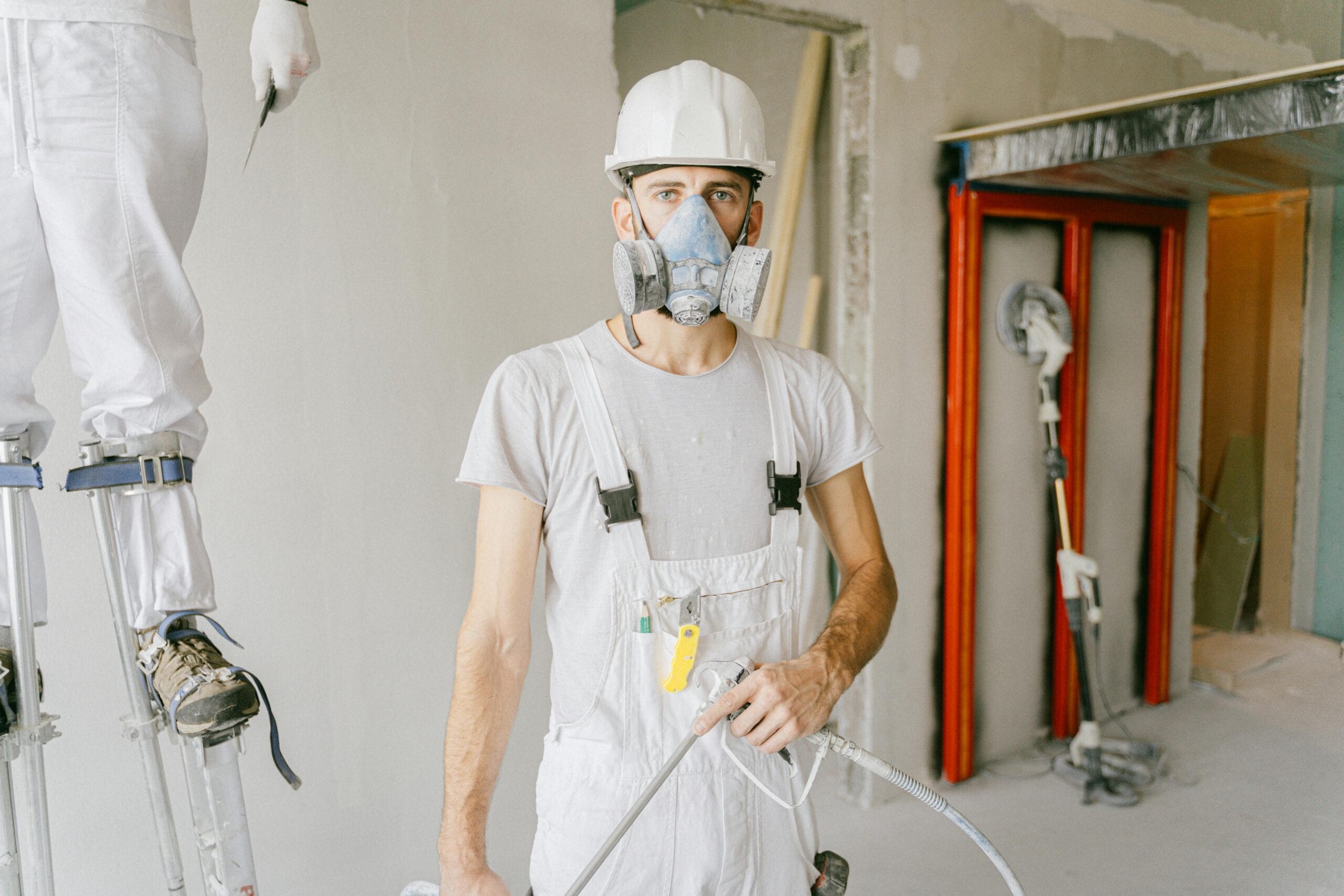
Property damage can disrupt daily life without warning, leaving homeowners overwhelmed and unsure of their next steps. In the rush to regain normalcy, many people unknowingly make decisions that complicate repairs, increase costs, or create long-term problems. These mistakes are rarely intentional; they are often the result of stress, limited information, or pressure to act quickly. Understanding the most common mistakes homeowners make after property damage can help you avoid unnecessary setbacks and move forward with confidence. By learning what to watch for early on, homeowners are better equipped to protect their property, their health, and their peace of mind during the recovery process.
Common Mistakes Homeowners Make: Underestimating the Severity of the Damage
One of the most frequent mistakes homeowners make is assuming the damage is minor when it is not. What appears to be a small water stain or light smoke residue often hides deeper problems within walls, floors, and structural components. Moisture can seep into insulation, electrical systems, and framing, leading to mold growth or long-term deterioration. Fire damage can compromise air quality and weaken building materials even if flames never touched certain areas. By downplaying the severity, homeowners risk larger repairs later that could have been prevented with early professional assessment.
Delaying Action Due to Shock or Stress
After property damage, it is completely natural to feel frozen or unsure of what to do next. However, delaying action can significantly worsen the situation. Water damage spreads quickly, mold can begin growing within days, and lingering smoke odors become harder to remove over time. Waiting too long often results in higher repair costs and longer restoration timelines. Taking calm but timely steps, even small ones, can protect your home and help you regain a sense of control during a chaotic period.
Skipping a Professional Inspection
Some homeowners attempt to handle everything on their own, especially if the damage looks manageable. While DIY efforts may seem cost-effective at first, skipping a professional inspection can be a costly error. Restoration specialists are trained to identify hidden hazards and secondary damage that may not be obvious to the untrained eye. Without a thorough evaluation, important issues can be missed, leading to recurring problems and safety concerns. A professional inspection provides a clear roadmap for recovery and ensures nothing critical is overlooked.
Making Quick Repairs Before Documentation
Another common mistake is rushing into repairs before properly documenting the damage. In the urgency to fix what is broken, homeowners sometimes forget to take detailed photos or notes. This can complicate insurance claims and create disputes later. Documentation is essential for establishing the full scope of damage and supporting your claim. Taking the time to record everything before repairs begin can save frustration and delays down the road, even though it may feel counterintuitive in the moment.
Choosing the Cheapest Option Without Research
When faced with unexpected repair costs, it is understandable to look for the lowest price available. However, choosing restoration services solely based on cost often leads to poor workmanship and incomplete repairs. Low bids may exclude critical steps such as proper drying, odor removal, or structural reinforcement. Quality restoration focuses on long-term safety and durability, not just surface-level fixes. Investing in experienced professionals helps ensure the work is done the first time correctly, reducing the risk of repeat damage.
Trying to Resume Normal Life Too Quickly
The desire to move on quickly is understandable, but rushing the recovery process can lead to mistakes. This is especially true when homeowners move back into their homes or into temporary housing without a clear plan. In this phase, it helps to think about things you should handle first, such as organizing essential belongings, setting up temporary routines, and addressing safety concerns. Much like settling into a new home after moving, taking time to establish order and prioritize tasks creates stability and reduces stress while restoration work continues.
Ignoring Health and Safety Concerns
In the rush to return to normal, homeowners sometimes overlook health and safety risks associated with property damage. Mold spores, contaminated water, soot particles, and compromised electrical systems all pose serious hazards. Entering damaged areas without proper protection or allowing children and pets access too soon can lead to health issues. Prioritizing safety and following professional guidance protects not only your home but also the well-being of everyone living in it.
Overlooking Secondary Damage Risks
Property damage rarely exists in isolation. Water intrusion can weaken flooring, fire damage can affect ventilation systems, and storm damage can leave openings that invite pests or further weather exposure. Homeowners sometimes focus only on the most visible issue and ignore these secondary risks. Addressing all related damage at once helps prevent a cycle of ongoing repairs and ensures your home is fully restored, not just temporarily patched.
Misunderstanding the Insurance Process
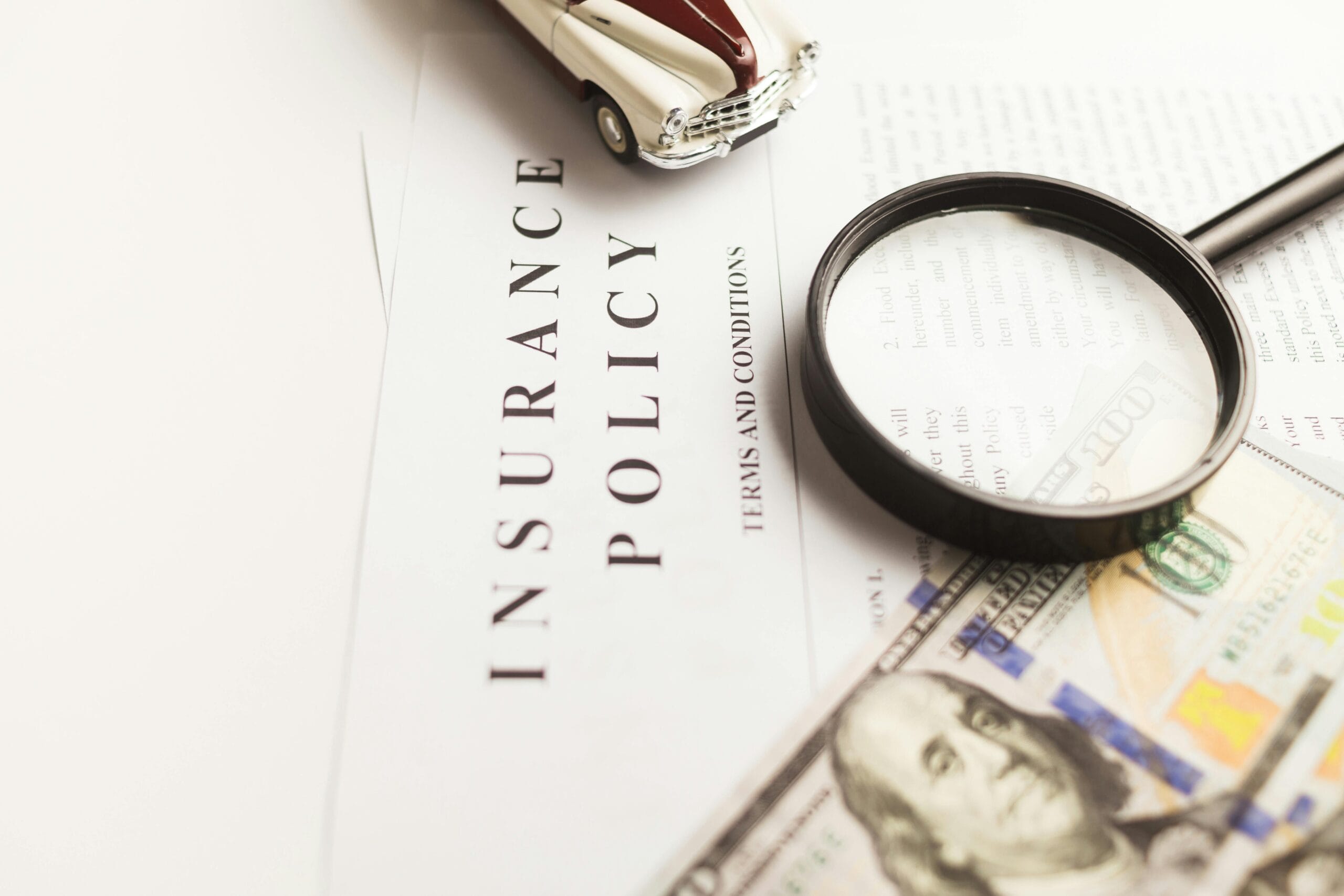
Insurance policies can be complex, and misunderstandings are common after a loss. Some homeowners assume everything will be covered, while others fail to report damage promptly because they are unsure of their policy details. This confusion can result in denied or reduced claims. Taking time to understand your coverage, communicating clearly with your insurer, and seeking professional guidance when needed can make a significant difference. Proper coordination between restoration experts and insurance providers often streamlines the process and reduces stress.
Failing to Plan for Long-Term Prevention
Once repairs are complete, many homeowners simply hope disaster will not strike again. Unfortunately, without preventative measures, the risk remains. Ignoring opportunities to improve drainage, update electrical systems, reinforce roofing, or improve ventilation can leave your home vulnerable to future damage. Restoration is not just about fixing what was broken but also about strengthening your home against what may come next. Thoughtful planning now can save significant hardship later.
Going Through the Process Alone
Perhaps one of the most overlooked mistakes is trying to manage everything alone. Property damage affects more than just the physical structure of a home; it takes an emotional toll as well. Homeowners often underestimate how helpful professional guidance can be during this time. Working with experienced restoration specialists provides reassurance, clear communication, and a structured plan. Knowing you are not alone in the process makes recovery feel more manageable and far less overwhelming.
Securing a Smooth Recovery
Recovering from property damage is about more than repairs; it is about making informed choices during a challenging time. The mistakes homeowners make are often rooted in urgency or uncertainty, yet they can significantly impact the outcome of restoration efforts. By recognizing these missteps and taking a more thoughtful, proactive approach, homeowners can reduce stress, avoid repeat issues, and restore their homes more effectively. With the right guidance and a clear plan, even the most difficult situations can lead to a stronger, safer home and a smoother path forward. When disaster strikes, look to the north. NorthStar Restoration Services, helping you find your way back home.