

A severe storm can roll through Wausau, Mosinee, or Wisconsin Rapids in a matter of hours, leaving behind a roof that leaks, a flooded basement, and a pile of questions about what happens next. Filing an insurance claim in Central Wisconsin feels overwhelming when you are still processing the damage, but the steps are more manageable than they appear. The faster you move, the stronger your claim will be.

What Should You Do the Moment the Storm Passes?
Act quickly, but act safely. Do not enter your home if there are downed power lines nearby, visible structural shifts, or flooding that has not receded. Once it is safe, your first priority is to document everything before anything gets cleaned up, moved, or repaired.
How Do You Document Storm Damage Properly?
Start with photos and videos of every affected area: roof, siding, windows, gutters, basement, and any damaged belongings. Capture wide shots for context and close-ups for detail. Note the date, time, and type of storm. Wisconsin homeowners often deal with a combination of wind, hail, and water damage in a single event, and each type may be treated differently by your insurer. Be sure to understand the process, from the first inspection to temporary protection.
Should You Make Temporary Repairs Right Away?
Yes, but keep every receipt. Insurers expect homeowners to take reasonable steps to prevent further damage. Covering a broken window, tarping a damaged section of roof, or pumping standing water from a basement are all acceptable. What you cannot do is make permanent repairs before an adjuster has inspected the property. That documentation window matters. Do the temporary work, photograph it, and save every invoice.
How Do You File the Claim — and What Comes Next?
Contact your insurance company as soon as possible. Most policies have a reporting window, and delays can complicate coverage. Have your policy number ready, and give the adjuster a clear overview of what happened and which areas of the home are affected.
What Happens If You Need to Temporarily Leave Your Home?
Some storms cause damage severe enough that staying is not safe or livable. If your home has structural damage, no heat in winter, or major water intrusion, most homeowners’ policies include Additional Living Expenses (ALE) coverage — a provision that reimburses temporary housing, meals, and certain out-of-pocket costs while repairs are underway. Keep all receipts from that period. And if the damage turns out to be permanent and if you need to relocate, planning ahead for that transition reduces the stress of managing two major processes at once.
How Do You Work Effectively with Your Insurance Adjuster?
Be present when the adjuster visits. Walk them through every area of damage yourself — do not assume they will find everything on their own. Point out spots that may not be visible at first glance: attic insulation soaked by a roof leak, damaged floor joists from basement flooding, or mold beginning to form in wall cavities. Having your own documentation in hand gives you something to compare against the adjuster’s notes.
What Does Your Policy Actually Cover?
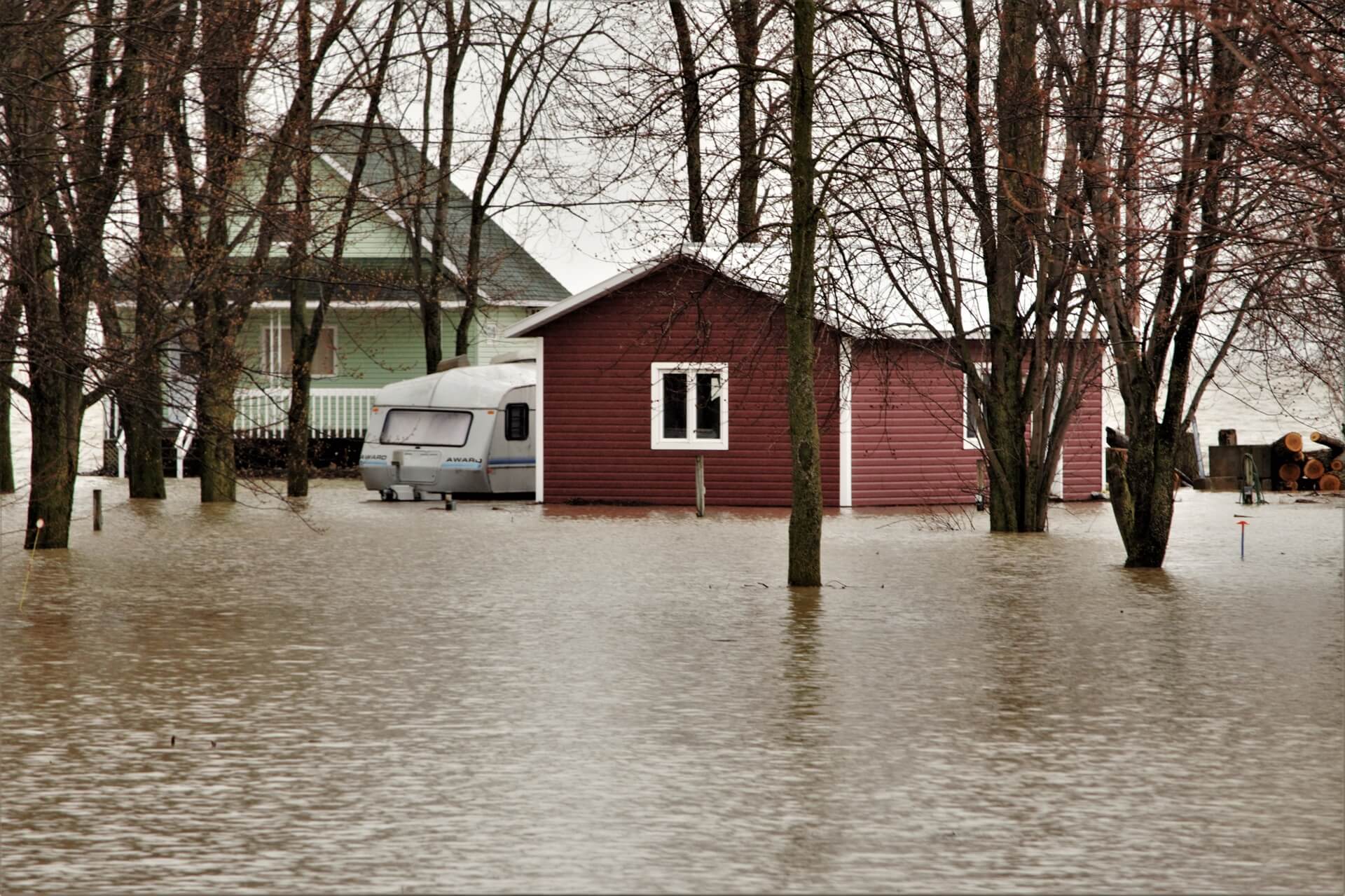
Most standard homeowners’ policies in Wisconsin cover wind and hail damage, fire, and internal water damage from things like a burst pipe or a roof failure. What they typically do not cover is ground-level flooding — that requires a separate flood insurance policy, usually purchased through the National Flood Insurance Program (NFIP).
How Do Deductibles and Repair Costs Work?
Your deductible is the amount you pay before coverage kicks in. Some Wisconsin policies have separate, higher deductibles specifically for wind or hail events — check yours before you assume. Getting an independent repair estimate from a licensed restoration contractor gives you a baseline to compare against the insurer’s payout offer. Understanding the full picture of water damage restoration cost helps you evaluate whether the settlement covers what the work actually requires.
What Mistakes Do Homeowners Make During the Claims Process?
The most common error is waiting too long to report. A second is signing anything that limits your rights before you fully understand the scope of the damage. A third is hiring the first contractor who shows up uninvited after the storm, a practice common enough in Wisconsin that it has a name: storm chasing. These contractors often prioritize speed and volume over quality.
The Wisconsin Office of the Commissioner of Insurance maintains resources on homeowner rights during the claims process, including guidance on what insurers are required to do and how to file a complaint if a claim is mishandled.
When the Storm Is Over, the Work Is Just Beginning
A well-documented claim, filed promptly and backed by professional assessments, is your strongest tool for getting your home back to the condition it was in before the storm. Take photos. Call your insurer the same day. Get a licensed restoration contractor involved early. And keep records of every conversation, every receipt, and every repair, because the insurance claim in Central Wisconsin that goes smoothest is always the one that was prepared for.
When Disaster Strikes, Look to the North. NorthStar Restoration Services, helping you find your way back home.